Office Address

Isiolo (Head Office) and Nairobi, Kenya

Phone Number

+254 720 684056

Email Address

info@interafricasal.co.ke

info.interafrica@gmail.com

INTRODUCTION

ASAL’S AFRICA, Eastern, Western, Northern and Sub-Saharan Africa, has its own unique and same indigenous vegetation, of which millions of the different pastoralist communities has been relying on their social economic and livelihood, adopted to the climate effects for many years. Unfortunately, every day, millions of these different communities cut down the trees for making homesteads, fencing off their livestock’s from the predators at Night and charcoal burning activities, in Kenya, over KES @ 25 Billion annually from charcoal, is utilized supplying to the nearest rural and major towns, these trends has reduced the vegetation cover and degradation of land, without proper planning and management, linking to the policy to manage and restore the landscape in ASAL’s Africa. In Kenya, though there are general policy for conservation in the constitution, forest management act, charcoal burning rules and regulations the rangeland management and recently public participation on gum Arabic and resins rules and regulations, which shows a big opportunities in sustainable quality and quantity supply and marketing.
In ASAL’s Africa there are communities who are Agro-Pastoralist living along the rivers of Africa who are better in livelihood than who are only depending on livestock herding a lone and had no other alternative livelihoods, with population increase on the upper streams of African rivers and a lot of farming, the water flow is reduced to the down streams and creating conflicts. The climate change effects also add to the severe drought and change of the rainfall patterns and wipe out 80% of the live stocks and leave the pastoralist communities with shock and deprived, these result the highest poverty level index and keeps on repeating for many years, living the whole population of the ASALs community depending on humanitarian aid and relief for food security through WFP, OXFARM, ACTION AID, FAO, WORLD BANK etc. The wildlife is not spared either in ASAL’s Africa they browse and graze with the same domestics animals on the same landscape. The KWS (Kenya Wildlife Service) is supporting with water through supply of water boozers for extreme thirsty and emergency during severe drought.

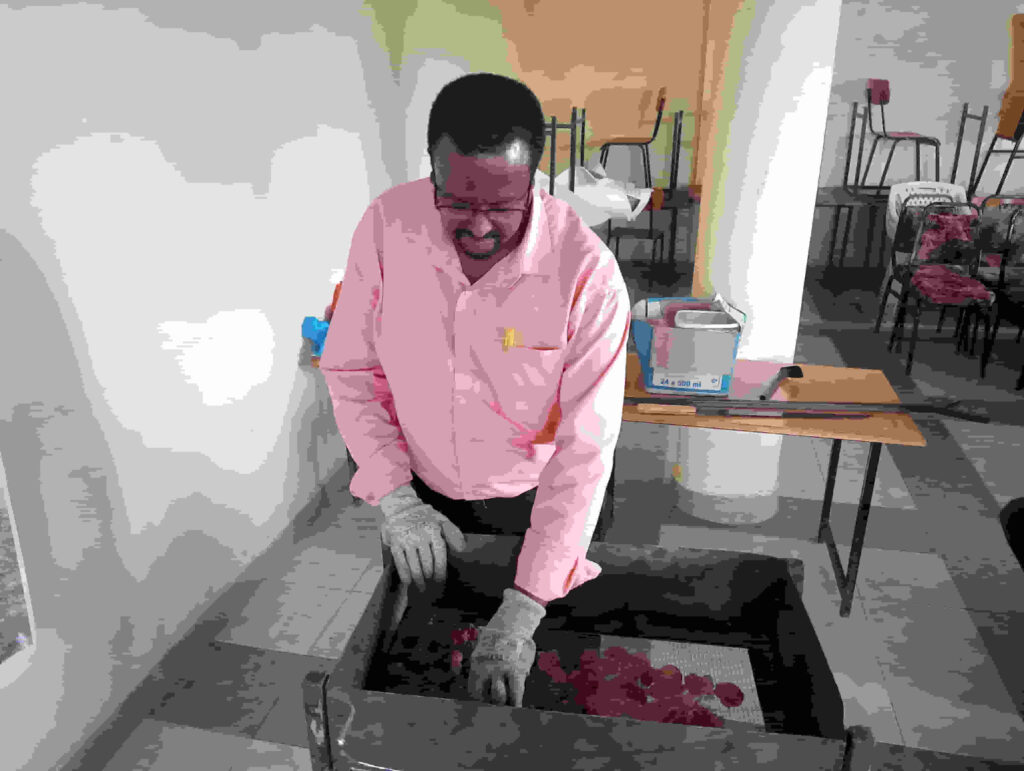
Traditionally the indigenous and natural vegetation has supported with social economy in many different ways. The construction of homesteads, herbal medicines, honey production, medicinal, tooth brush, dyes, art facts, basketry, (GUM ARABIC AND RESINS) and many other local uses with the same tree products harvested which needs industrial utilization and application for sustainable livelihood improvement and social economic empowerments

Some countries in Africa have utilized these resources like gum Arabic and resins which are only six species out of thousands of these indigenous trees with economic value (el Abdi Somo). There are currently fifteen countries in Africa which produce and control the market of gum Arabic and resins and Kenya are among fifteen tops and third in resins export though, through unorganized, unprofessional middlemen and companies exporting Gum Arabic and Resins. BI-LATERAL CONTRACT AGREEMENT for sustainable marketing, QUALITY AND QUANTITY SUPPLY CHAIN ASSUARANCE AND SECURITY should be in place to avoid supplying bad quality gums and resins and ruining the Country with bad reputations through PORT MOMBASA.

The ASAL Africa is perceived as unproductive region with no Agriculture produce and NO any other economic investments with any GDP income. Kenya included. But travelling to all these parts of the dry land Africa I see there are different community practicing the same pastoralism, the same cultural behavior, uses of the resources, the soils, the vegetation’s, the wildlife, the sunshine and wind and other physical resources availability or generally the weather conditions “NATURALLY THE SAME” and living thousands of miles apart. In Africa dry ASALs (Arid and Semi – Arid Lands) they are inhabited with AGRO-PASTORALIST AND PASTORALIST. The former who leave down the streams of large rivers that are even better in living standard depending both on farming agriculture and the later leaving extreme lower part have not seen the rivers but only flood waters during rainy seasons are practicing pastoralism keeping livestock alone. As the CEO/Founder of INTER-Africa Asal’s Ecosystem Ltd, I participated in many research in the ASAL’s in Africa and found out that ASAL’s is blanketed with unlimited richness with an income of BILLIONS of USD ANNUALLY, ASAL’s through its natural resources with less cost of OFFTAKE PRODUCTION AND DEVELOPMENT has very potential and productive region if professionally utilized fully. The competitive market locally, nationally, regionally and internationally is appetizing through natural challenges and for natural solutions (technologies) which can be established and implemented.

Be Part of ASAL's Africa's Green Growth Economy

Call For More Info +254 720 684056

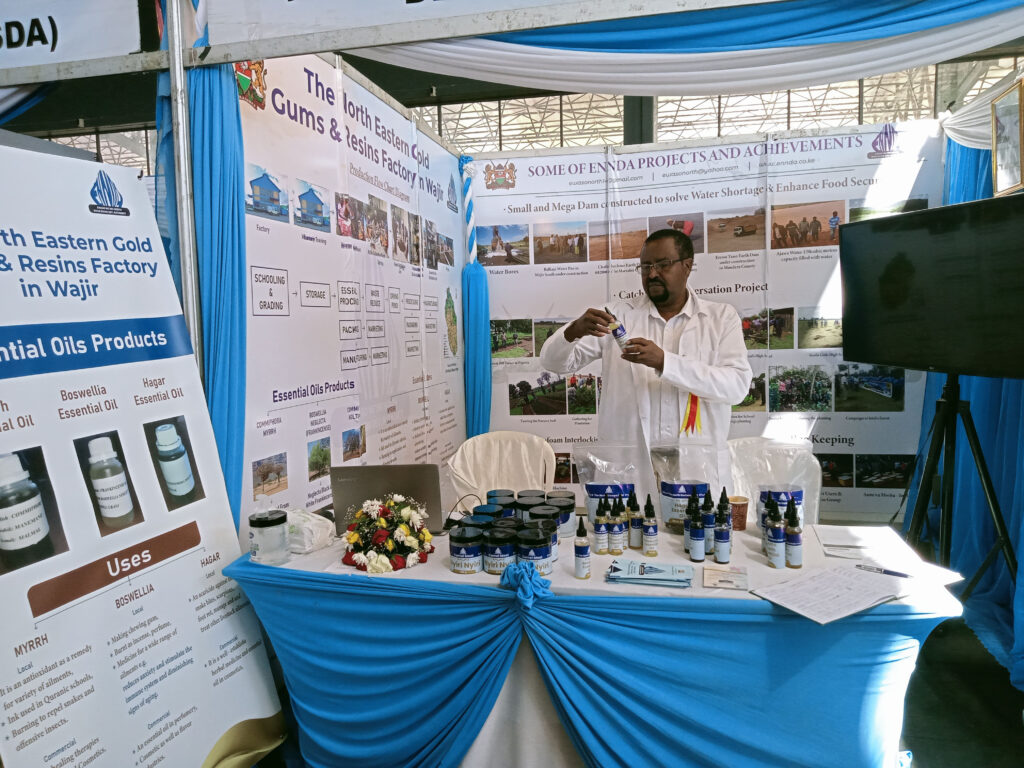
ASAL’s - Arid and Semi-Arid Lands of Africa including Kenya are endowed with rich diversity of plant resources especially gums and resins.

Sign up to Our weekly newsletter to get the latest updates.